Orchid Sake Brewery
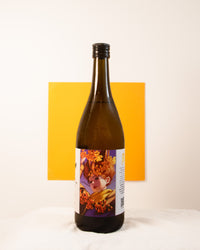
Utama Masamune Junmai Daiginjo 42% Omachi 720ml
Utama Masamune Junmai Daiginjo 42% Omachi 720ml
Competition-ready 42% Omachi — heirloom rice, brewed to judging standard.
White grape and peach aromas; a light, clean palate of apple, lychee and a hint of cotton candy.
🔥 841 of 1545 bottles left
Couldn't load pickup availability
🎉 Founders’ letter members get 10% off this bottle. Join the founders’ letter — free — and your perpetual 10% applies here too.
COMPETITION-READY — PRE-ORDER. The Pasteurised Masamune is our competition-ready bottling of 42% Omachi. Three ways to own it:
- Nama — the raw, unpasteurised original (limited in-stock batch).
- Pasteurised · Competition-Ready — $125.
- Pasteurised · Competition-Ready + Tenugui Cloth Wrap — $137. The bottle hand-wrapped in a tenugui cloth (+$12), ready to gift.
Both Pasteurised options are pre-orders, released in late November 2026. If you have already pre-ordered, your bottles are reserved and we will be in touch with a delivery window.
From our head brewer, Yumika
Utama Masamune is our first Namazake (unpasteurised sake) brewed from Omachi — and it’s now ready. Around 200 bottles are being released as Nama, while the rest of the production is being pasteurised. Depending on its condition, we expect to begin delivering the pasteurised version from mid-November onwards.
Specifications
- Rice: Omachi from Akaiwa, Okayama, Japan
- Polishing ratio: 42%
- Alcohol: 15%
- Sake Meter Value (SMV): −3
- Acidity: 2.3
- Yeast: Kyokai No. 701
- Other: lactic acid added
Tasting notes
Aroma: white grapes, peach.
Palate: light and delicate mouthfeel, with notes of apple and peach, a light acidity reminiscent of white grapes, followed by lychee and cotton candy.
Brewing background
Omachi is a sake rice variety I have wanted to brew with ever since I started making sake at Orchid. TAWARAYA SG — from whom we buy the Kitashizuku rice used in our other Utama series products — kindly found this Omachi for us, which made this brewing possible.
Flavour design
My aim was to preserve the distinctive character of Omachi while creating the driest, cleanest and most refreshing sake we have made so far — one that is easy to drink without becoming tiring on the palate. The yeast we used is known for producing a relatively high level of acidity, so while the sake may appear sweet when you look only at the Sake Meter Value, the balance with the acidity makes it feel more on the dry side when you actually drink it. After pressing, we cut the sake (genshu) with water before bottling.
For each brewing season I set a particular theme I want to explore. This season, my theme was “controlling water.” Although this is the first batch of Masamune, I was able to learn much more about how to use and control water before fermentation, during the moromi (mash) fermentation, and after pressing — and I believe these learnings are reflected in the final sake.
At the moment the sake is still young and somewhat tight, and depending on individual preferences its current condition may be somewhat divisive. With a little more time I expect it to become rounder and more integrated — though because we fill the bottles with nitrogen at bottling, the pace of development is expected to be slower. Personally, I have high expectations for the quality of the sake once the pasteurised version has had time to stabilise.
Fermentation
The Masamune moromi (mash) fermentation lasted 45 days — a long one. During the latter part, whenever the temperature dropped slightly the fermentation slowed and the yeast went dormant. It was a nerve-wracking 45 days, and we sincerely apologise that it has taken some time from our initial announcement to the delivery of the product.
The story behind the name
The name “Masamune” comes from the dog we live with — our resident cavapoo and the heart of the brewery. This first bottling under his name is our tribute to him, and to everyone who has supported us to this point. Thank you very much for your continued support.
Share


Arriving together · late November